PROPOSAL PLAN
One of the most frequently asked questions I get as a technician who works in the printmaking workshop is “how can I print this?”, a very vague question that is often accompanied by a digital image and that can only be answered with more questions:
“How many copies do you need?”
“How large is it, how big does it need to be?”
“When do you need it by, when it’s your deadline?”
“What visual characteristics are you looking for?”
“What are you printing on?”
“How are you going to display this print?”
“What processes have you worked with before?”
“What is your budget?”
Despite running tours during several weeks at the beginning of the year, and having documents with descriptions of each process available in the workshop on our Moodle page, the amount of processes we offer feels overwhelming and even daunting to some students, especially those with learning difficulties or neurodivergent. Some students find technical names hard to remember and struggle to associate them to a particular technique. Personally, I have noticed how most academics also struggle to guide them confidently in their first approaches to printmaking, as some are also unable to pinpoint the different techniques.
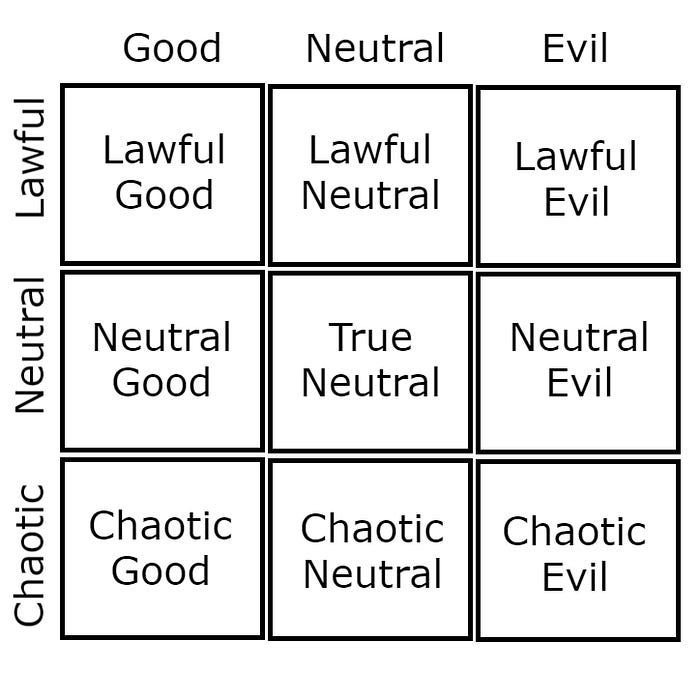
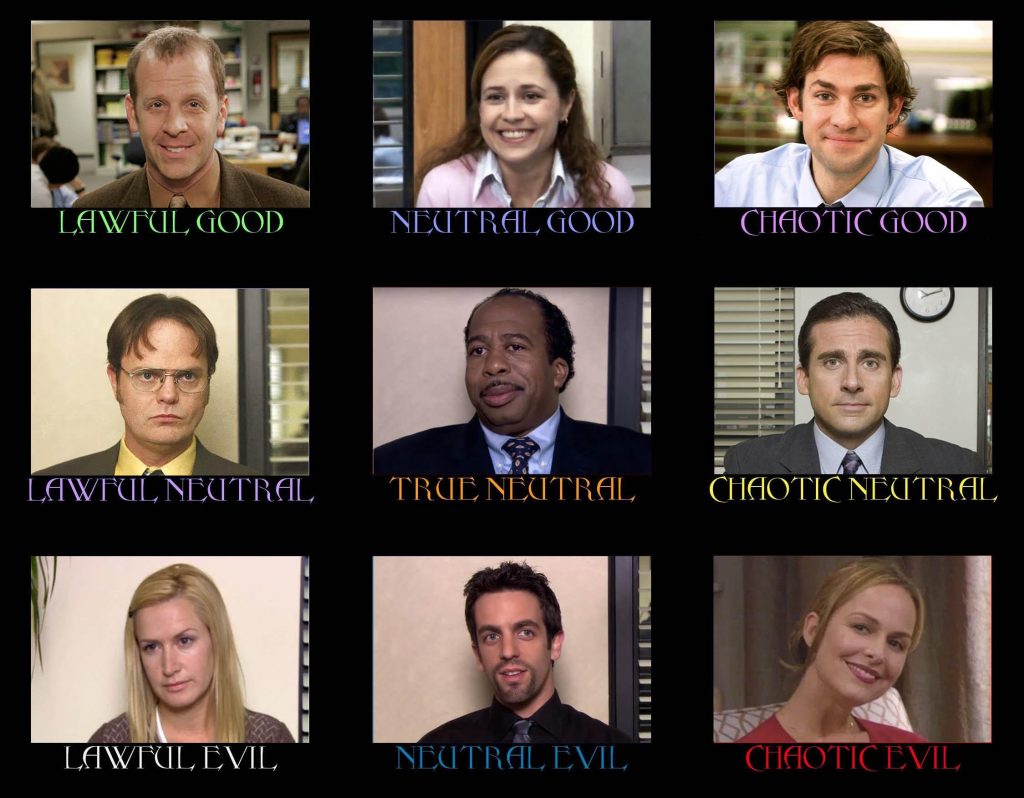
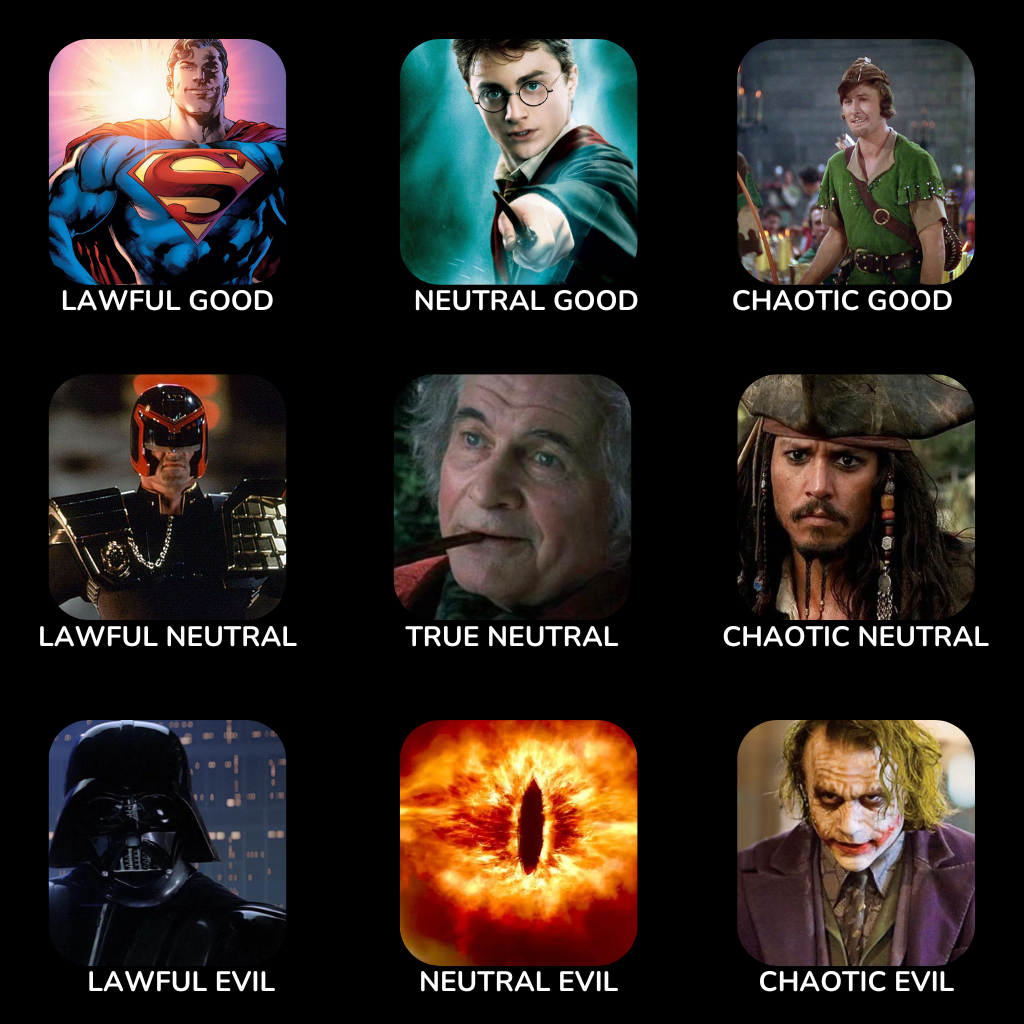
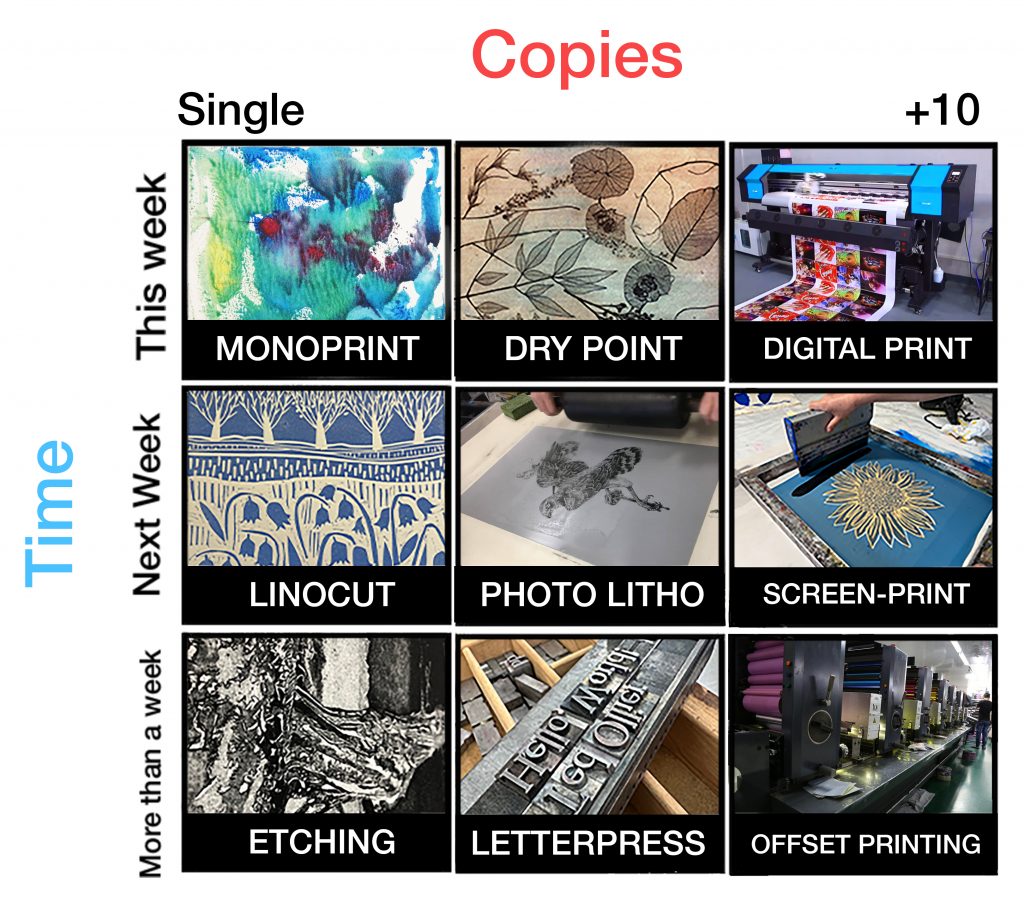
My intervention plan idea consists in creating “the Knowledge Chart of Print”, a chart that can guide students when choosing what process they would like to pursue based on two different variables of their choice. Inspired by D&D personality charts, it would gamify the decisions and remove the pressure of approaching print for the first time. The chart will also include processes available in other departments such as Print Finishing or Digital Print.
These are some examples of (1) the usual D&D chart, (2) and (3) a meme-fied D&D chart, and (4) my ‘Knowledge Chart of Print’ using the variables ‘time’ and ‘copies’:
The Chart could be found in the landing page on Moodle of the following print-related departments: Printmaking, Print and Finishing, and Digital Print. It could also be distributed in physical format among some of our most regular users such as Graphic & Media Design, Illustration and Visual Media, or Branding and Identity programs.
So far, the feedback I received from my colleagues is positive and they encourage me to pursue it. They especially noted the fun approach which can break this barrier of making “right” or ‘wrong’ decisions.
Leave a Reply